
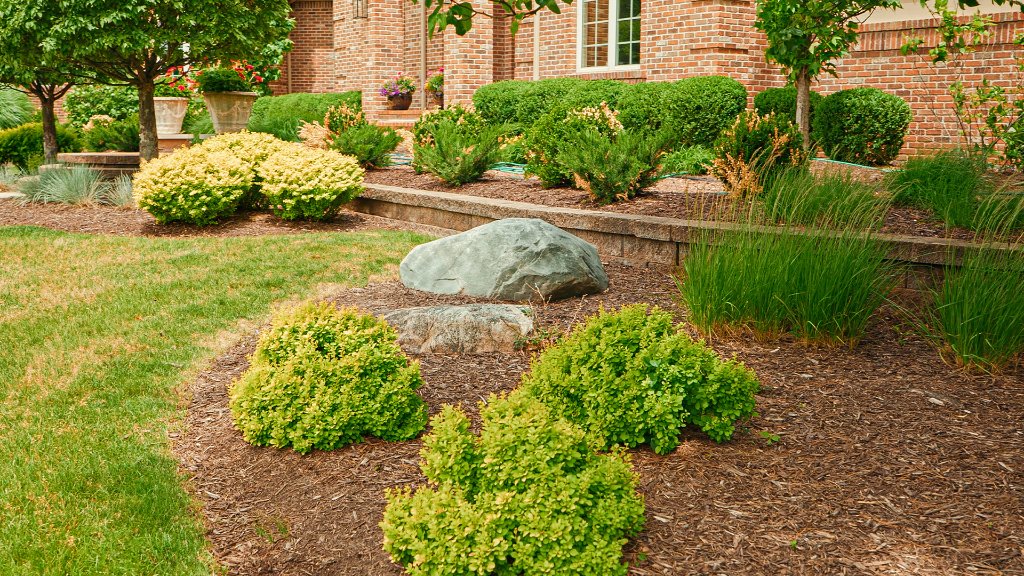
Michigan summers can swing from a soggy spring to long stretches of hot, dry weather that leave lawns thirsty and water bills climbing. Choosing plants and materials that hold up with less watering is a smart move for any property owner, and it is where thoughtful drought-tolerant landscaping pays off. Our Greater Lansing, MI landscaping company helps homeowners and businesses build outdoor spaces that stay attractive without constant irrigation.
Here's what you need to know when it comes to low-maintenance options able to survive dry days.
What Makes a Landscape Drought-Tolerant?
A drought-tolerant landscape is designed to thrive on rainfall and minimal supplemental watering. It groups plants with similar water needs, improves the soil so it holds moisture longer, and reduces the amount of thirsty turf grass.
The goal isn't a yard full of rocks and cactus. Good commercial or residential landscape design blends hardy plants, smart layout, and efficient watering so the space still looks lush during a dry July.
Best Drought-Tolerant Plants for Michigan Yards
The strongest performers here are plants that tolerate full sun and poor soil once established. Lavender, Russian sage, black-eyed Susan, coneflower, sedum, yarrow, and ornamental grasses all handle dry spells while adding color and texture.
Native and adapted perennials are ideal for residential landscaping because they come back each year and rarely need babying. For homeowners looking at landscaping options when there's less rain, pairing these plants with a few drought-tolerant shrubs creates fullness without raising water use.
Hardscaping and Design Choices That Save Water
Not every square foot needs to be planted. Adding hardscaping like patios, gravel beds, walkways, and retaining walls cuts down on lawn area and the watering that comes with it.
These features also shape how a yard is used and where water flows. Strong landscape design for homes uses permeable materials and grading to direct rainfall toward planting beds, and our design-build landscaping contractors handle both the plan and the build so the details line up.
Drought-Friendly Ideas for Commercial Properties
Businesses feel the cost of watering too, especially on larger sites. Water-wise commercial landscaping keeps a property looking sharp while trimming irrigation and upkeep expenses.
Thoughtful landscape design can group low-water plantings near entrances and use durable hardscape in high-traffic zones. If you want a deeper look at how the process works, our commercial landscape design FAQ answers cover planning, materials, and what to expect during landscape installation.
Keeping a Low-Water Landscape Healthy
Even drought-tolerant plants need a little help to establish. A layer of mulch holds moisture, suppresses weeds, and protects roots through hot weather, while a well-tuned irrigation system waters deeply and less often.
Regular landscape maintenance keeps beds healthy and catches problems early. For more seasonal summer landscaping ideas, homeowners across the Lansing area can mix low-water plantings with shade trees and container gardens to stay comfortable and green all season.